Loneliness
A cataclysmic lack of HarmonyLoneliness is a pervasive state in which isolation becomes both an emotional condition and a way of inhabiting the world. The text connects it to acedia, fragmentation, uncertainty, deteriorating embodiment, and the fear that communication will fail. Its decisive force lies in how it converts ordinary existence into suspended waiting: the isolated subject watches life, resists knowledge, dreams of impossible connection, and finally asks whether life itself remains.
Definition and Emotional Texture
Loneliness appears alongside Solitude and acedia as an active pressure rather than a neutral absence. It scratches at the heart while the subject sees phosphenes, suggesting perception altered by distress and separation. The subject is left fragmented and spends each day in Solitude, so loneliness becomes repetitive and temporal: it is renewed through daily existence rather than confined to a single crisis.
The imagery of the willow gives the condition a changing form. Self-esteem falls and withers, then morphs into the willow of never-ending loneliness. This transformation links inward diminishment to an enduring external image: what begins as damaged self-regard becomes a landscape or organism capable of continuing indefinitely. Loneliness therefore carries both psychological and structural weight, shaping the subject’s sense of identity as well as the surrounding poetic world.
Isolation and the Desire for Connection
The state is not simple indifference to others. The speaker describes a feeling for an unnamed other as esoteric and not meant for everyone, implying that loneliness coexists with the desire for a rare, highly particular form of understanding. The relationship is imagined through a tête-à-tête immersed in the other’s mind, but the very exclusivity of this desired exchange intensifies separation from ordinary social life.
The speaker also refuses banality, dullness, and monotony when approaching these matters. That resistance suggests an attempt to preserve the experience from becoming a conventional declaration or a routine account of sadness. Yet the effort to find language does not guarantee contact. The poem repeatedly places inward intensity beside the possibility that it will remain inaccessible to anyone else.
Uncertainty, Avoidance, and the Body
Loneliness is situated within an uncertain world, the Earth, where feeling flummoxed is treated as an ordinary possibility. The speaker can be simultaneously flabbergasted and blasé, holding astonishment and numbness together rather than resolving them. This paradox gives loneliness an epistemic dimension: isolation makes the world difficult to interpret, while uncertainty makes connection harder to trust.
The subject’s response is partly defensive. The speaker refuses to turn their head because they are afraid to know the truth, and consequently pretends to be blind. Loneliness thus involves chosen avoidance as well as imposed separation. Not knowing may protect the subject temporarily, but the pretense also blocks recognition and keeps the speaker enclosed within the very isolation that causes fear.
The condition is also embodied. The speaker’s shrinking body is slowly deteriorating, and the body’s decline is set against the possibility of reaching the blinding light of the sun. Loneliness is consequently not represented as an abstract mood detached from material existence; it is registered through diminution, exposure, and the threatened dissolution of the self.
Time, Death, and the Threat of Disappearance
Time acts as an agent of confinement. The clock sentences the subject to a greater escape while the subject navigates through space and time toward an inevitable ultimate destination: Death. The language turns chronology into judgment. Every passing moment presses the isolated person toward an ending that is imagined both as punishment and release.
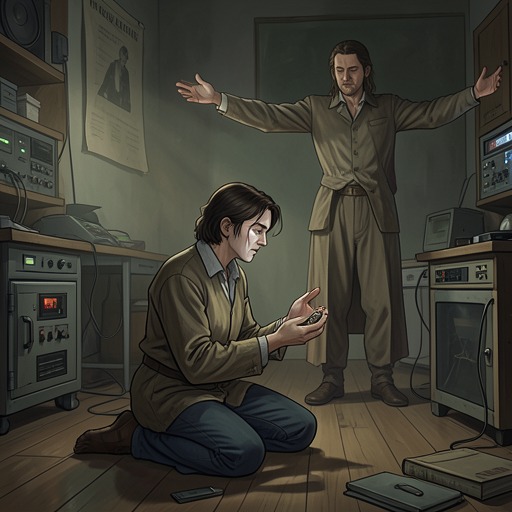
Death also enters the field of relationship. The speaker says that the other had to wish the speaker dead before the speaker could kill the other’s aura, a violent and paradoxical formulation in which emotional separation is expressed through death language. The speaker further asks to be buried underneath, down where the sun does not shine and where day and night are the same. Burial becomes an image of total withdrawal from distinctions that ordinarily organize experience, including the distinction between presence and absence.
These images make loneliness resemble a form of social and perceptual disappearance before physical Death occurs. The subject is hidden, diminished, and cut off from light; at the same time, the desire for burial gives finality to an isolation already felt as complete.
Dream, Crisis, and the Unanswered Call
Against this downward movement, dreaming briefly produces an alternative state. The speaker came alive while dreaming about the Moon landing and visiting factories of stars. The dream joins technological impossibility, cosmic distance, and creative vitality: life returns not through ordinary companionship but through an imagined journey beyond the immediate world. The episode does not erase loneliness, but it shows that the isolated consciousness remains capable of wonder and animation.
That capacity eventually gives way to crisis. The speaker asks, “Is this the end?” while feeling gloomy and filled with misery and walking with their head underwater. The image conveys impaired movement and perception, as though the subject proceeds through an environment that makes ordinary breathing impossible. The question remains unresolved, preserving uncertainty rather than converting suffering into a clear conclusion.
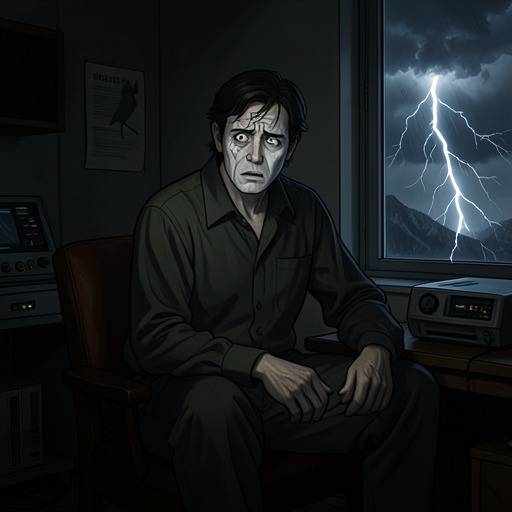
The final appeal is stark: inaudible sounds leave the speaker’s mouth, followed by repeated SOS calls and the question, “Am I even alive?” An emptiness takes over the house. Communication has become physically produced but socially ineffective; the distress signal exists, yet its reception is not confirmed. The house, normally a site of shelter or company, is instead occupied by emptiness, making loneliness the condition of the space as well as of the person within it.
Narrative Significance
Loneliness organizes a central tension between the wish to be reached and the expectation of remaining unheard. It is expressed through repetition, fragmentation, paradox, and altered bodily imagery rather than through a single explanatory account. The subject may seek an exceptional mental intimacy, dream of the stars, or send an SOS, but each gesture encounters distance, uncertainty, or silence.
The state is therefore both restrictive and revealing. It exposes the subject’s vulnerability to time, Death, bodily deterioration, and the failure of language, while also preserving a capacity for perception that ordinary social life might conceal. Even the unanswered call testifies to a continuing desire for contact. Loneliness does not end with a recovered community or a resolved revelation; it culminates in the unresolved question of aliveness, with emptiness remaining in the house and the signal still waiting for a response.